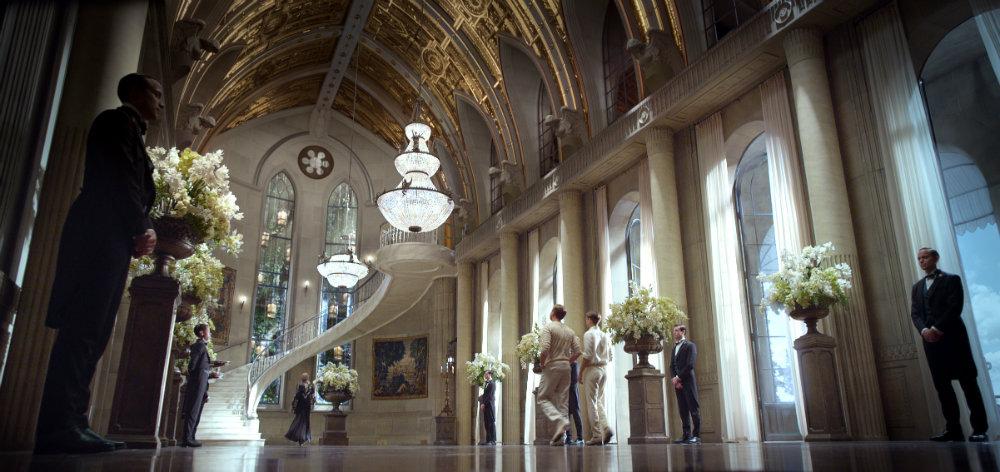
The Art of Choosing Period-Perfect Film Furniture for Historical Dramas
Precision in visual storytelling defines the success of any historical drama. For production heads and art directors, selecting the right film furniture is not a decorative exercise—it is a disciplined process that anchors the narrative in time, culture, and character. When executed with intent, movie set furniture becomes a structural element of storytelling, reinforcing authenticity and elevating the overall production value.
Film Furniture as a Narrative Instrument
In refined cinematic production, film furniture functions as a narrative device rather than a background component. Each piece communicates context—social status, regional identity, and historical accuracy—without overt exposition. A richly ornamented cabinet suggests aristocratic presence, while restrained wooden furnishings reflect modest living conditions.
Well-selected movie set furniture supports character development with subtle precision. It establishes emotional tone and spatial hierarchy, guiding the audience’s perception of each scene. For art directors, this means curating film furniture that aligns seamlessly with costume design, lighting direction, and architectural elements.
Research-Led Curation for Historical Integrity
Authenticity begins with rigorous research. Period-perfect film furniture must be grounded in verified historical references, including museum collections, archival imagery, and documented interior styles. This ensures that every selection contributes to a coherent visual language.
European historical dramas demand particular attention to regional variations. French Rococo, Italian Baroque, and English Victorian styles each carry distinct proportions, ornamentation, and material choices. Introducing mismatched movie set furniture can disrupt visual continuity. A disciplined approach to sourcing ensures that all film furniture reflects the correct era and geographical influence with clarity and consistency.
Material Authenticity and Craftsmanship
The integrity of film furniture lies not only in form but in material authenticity. Solid hardwoods, hand-finished surfaces, and traditional upholstery fabrics provide depth and realism that modern substitutes cannot replicate. The tactile quality of materials becomes especially important in close-up cinematography.
High-calibre movie set furniture often incorporates artisanal craftsmanship—hand carving, gilded detailing, and layered finishes. These elements capture light differently, adding dimension and richness to each frame. For production houses focused on cinematic excellence, investing in well-crafted film furniture ensures that every visual detail withstands scrutiny.
Aligning Aesthetics with Production Practicality
While historical accuracy remains paramount, functionality must be carefully integrated. Film environments demand adaptability, durability, and ease of handling. Production heads must ensure that film furniture meets both aesthetic and operational requirements.
Custom-built movie set furniture provides a refined solution. It allows for historical precision while incorporating structural reinforcements suited to filming conditions. Lightweight construction, modular design, and adaptable finishes enable efficient scene transitions without compromising authenticity. This balance ensures that film furniture performs effectively under production demands.
Spatial Composition and Visual Hierarchy
The placement of film furniture plays a decisive role in cinematic composition. Strategic positioning defines spatial hierarchy and directs audience attention. A central table, an elevated throne, or a symmetrically arranged seating area can establish authority, intimacy, or tension within a scene.
Art directors use movie set furniture to create focal points that complement camera movement and lighting design. Carefully arranged film furniture enhances depth, framing, and perspective, contributing to a visually cohesive environment. This level of control transforms set design into a precise visual language.
Sourcing Strategies: Heritage vs Custom Fabrication
Production teams often adopt a dual approach when acquiring film furniture. Sourcing historically inspired or antique-style pieces offers efficiency, particularly for large-scale productions. However, custom fabrication provides greater control over scale, detailing, and finish.
A curated combination of sourced and bespoke movie set furniture allows art directors to maintain authenticity while adapting to specific production requirements. This hybrid approach ensures that every piece of film furniture aligns with the creative vision, while also meeting logistical and aesthetic standards expected in European productions.
Refinement Through Detail
In high-end historical dramas, refinement is achieved through precision in detail. The grain of wood, the weave of fabric, and the subtle ageing of finishes all contribute to visual authenticity. Thoughtfully selected film furniture interacts with lighting and costume textures, enhancing the depth of each frame.
Premium movie set furniture also represents a long-term investment. Durable, well-crafted pieces can be repurposed across multiple productions, creating a consistent standard of quality. Over time, a refined collection of film furniture becomes a valuable asset for production houses seeking efficiency without compromising excellence.
Conclusion
The selection of film furniture requires a strategic balance of historical knowledge, design sensitivity, and production awareness. For production heads and art directors, it is an essential discipline that directly influences narrative credibility and visual impact.
When chosen with precision, movie set furniture elevates historical dramas into immersive cinematic experiences. Through research-driven curation, material authenticity, and thoughtful composition, film furniture becomes a defining element of storytelling—subtle, powerful, and indispensable.