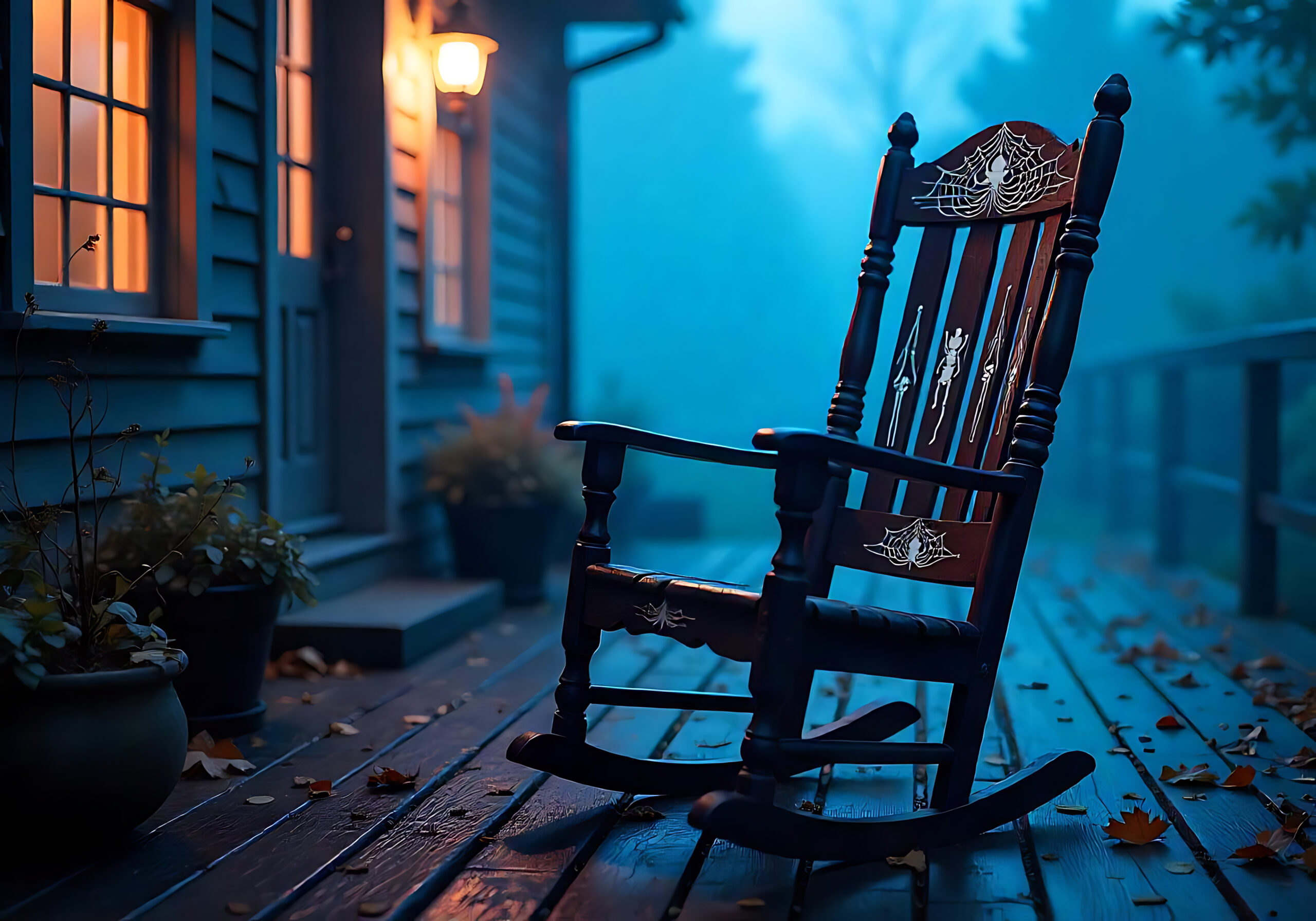
Behind the Scenes: How Movie Set Furniture Tells the Story
In the world of cinema, every element within the frame serves a purpose. While audiences may fixate on performances, cinematography, and dialogue, production designers understand a fundamental truth: movie set furniture is one of the most powerful silent storytelling tools at their disposal. These carefully chosen pieces don’t just fill space—they reveal character, establish time periods, and create emotional landscapes that resonate long after the credits roll.
The Language of Objects
Movie set furniture speaks volumes without uttering a single word. Consider the sparse, impersonal furnishings of a transient character’s apartment—where a bathtub doubles as a sofa. This isn’t merely a quirky design choice; it’s a visual metaphor for someone living between identities, never quite settling into their own skin. Such details tell audiences everything they need to know without a single line of exposition.
Production designers know that furniture selections can instantly communicate socioeconomic status, psychological state, and narrative trajectory. A worn leather armchair suggests comfort and history, while sleek minimalist pieces might indicate control, wealth, or emotional detachment. For art directors working on period pieces, authentic movie set furniture becomes even more critical, serving as a time machine that transports audiences across decades or centuries.
Iconic Furniture Moments in Cinema
The history of film is punctuated by furniture pieces that became as memorable as the characters themselves. Mid-century modern lounge chairs have encapsulated bohemian cool in counterculture films. In crime dramas set in rural communities, mundane regional furniture has become a character in itself, reflecting ordinary lives disrupted by extraordinary violence.
Futuristic films have used movie set furniture to create environments that transcend their era. Sleek white furnishings and avant-garde chair designs establish believable futures where form and function merge seamlessly. Conversely, deliberately anachronistic furniture choices in dystopian narratives create worlds where past and future collide, reinforcing themes of memory and identity through every piece placed on screen.
The Production Designer’s Chess Game
Selecting movie set furniture is a complex chess game where every piece must serve multiple masters. Budget constraints, narrative requirements, practical filming needs, and artistic vision all compete for priority. A sofa isn’t simply a place for actors to sit—it must accommodate camera angles, lighting setups, and blocking while remaining true to the character and story.
Smart production designers approach furniture selection as psychological profiling. What would this character choose? What would they inherit? What compromises would their financial situation force them to make? These questions transform furniture from mere props into extensions of character development. Cluttered Victorian excess can reveal characters trapped by their past, while sterile corporate furniture might reflect a protagonist’s hollow pursuit of status and perfection.
Period Authenticity Versus Narrative Truth
One of the most challenging aspects of working with movie set furniture involves balancing historical accuracy with storytelling needs. While period authenticity matters, sometimes narrative truth requires deviation from strict historical accuracy. Production designers must decide when authentic pieces serve the story and when they might actually distract from it.
Acclaimed period dramas have become legendary for their furniture accuracy, yet savvy production designers often choose pieces that are slightly ahead of their time to give productions a forward-looking quality that matches characters’ ambitions. This nuanced approach to movie set furniture helps create worlds that feel both authentic and aspirational, grounding viewers in a specific era while maintaining cinematic dynamism.
Practical Considerations for Modern Production Houses
Today’s production houses face unique challenges when sourcing movie set furniture. Budget pressures demand creativity—rental houses, estate sales, and custom fabrication must all be leveraged strategically. Digital effects have added another layer of complexity, as furniture must sometimes accommodate green screen work or motion capture technology while maintaining visual coherence.
Sustainability has also entered the conversation. Forward-thinking production designers now consider the lifecycle of movie set furniture, seeking pieces that can be repurposed across projects or donated after filming concludes. This practical approach doesn’t compromise artistic vision—it enhances it by encouraging innovative problem-solving and resourceful thinking that often leads to unexpected creative breakthroughs.
The Emotional Architecture of Spaces
Ultimately, movie set furniture creates what might be called the emotional architecture of a film. These pieces ground fantasy in reality, making even the most fantastical worlds feel lived-in and believable. They provide texture, history, and context that dialogue often cannot. A character’s apartment filled with inherited antiques tells a vastly different story than one furnished entirely from flat-pack retailers.
For art directors and production designers, mastering the language of furniture means understanding that every curve, fabric choice, and placement decision contributes to the larger narrative. The worn kitchen table where a family gathers tells a different story than the formal dining room that sits unused. A character’s relationship with their furniture—how they use it, ignore it, or destroy it—reveals their inner world in ways that spoken words cannot capture.
As cinema continues to evolve, the fundamental truth remains unchanged: movie set furniture is far more than decoration. It’s a sophisticated storytelling tool that speaks directly to our subconscious, creating meaning through the careful arrangement of objects in space. For those who know how to wield it effectively, furniture becomes one of the most eloquent voices in the visual symphony of film making.