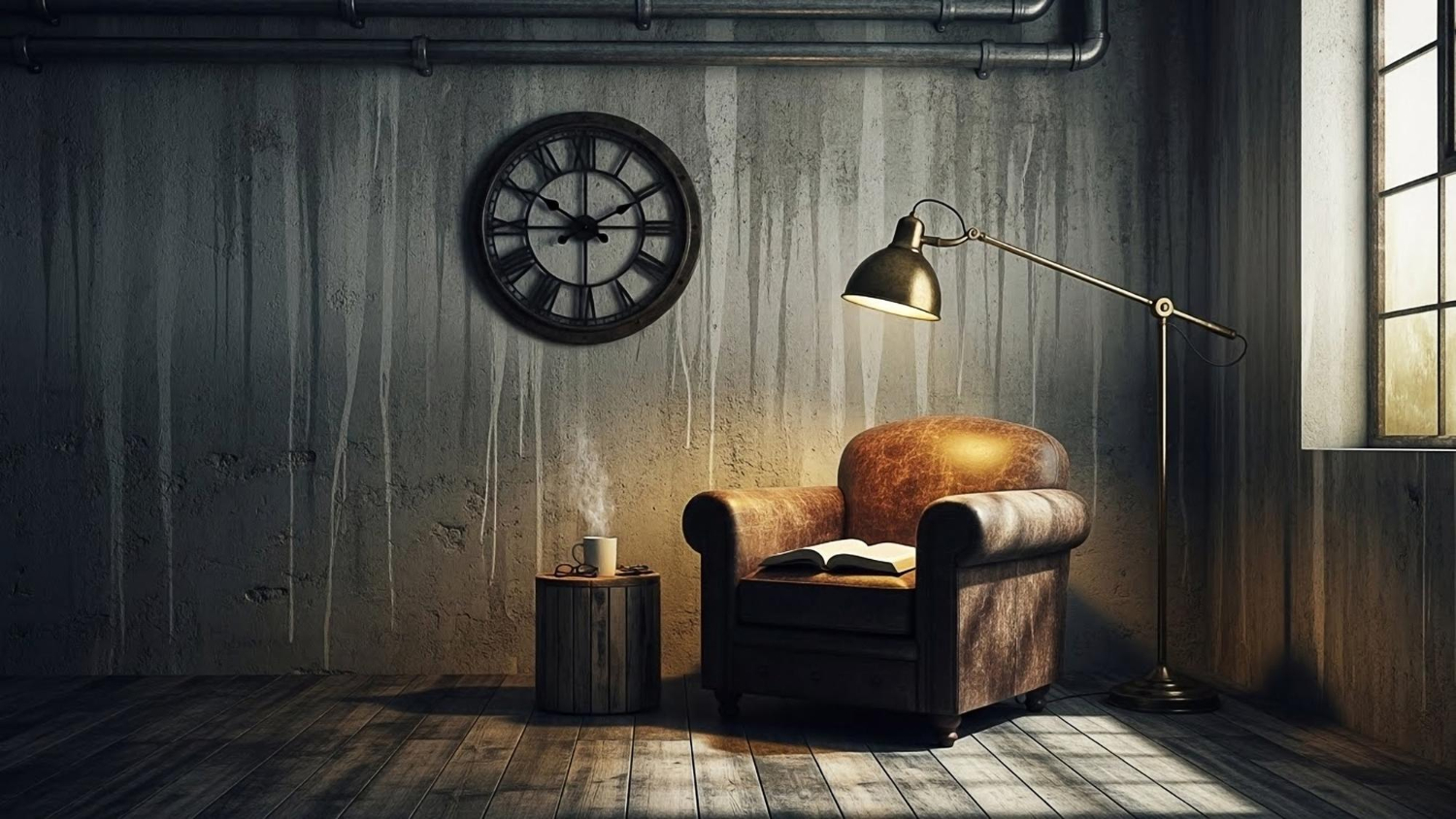
The Art of Mixing Antique and Modern Film Furniture on Set
In the evolving landscape of European cinema, art directors face an exciting challenge: creating spaces that feel authentic yet fresh, lived-in yet visually striking. The solution often lies in the deliberate juxtaposition of eras—skillfully blending antique pieces with modern elements. This approach to film props furniture has become a hallmark of sophisticated production design, creating environments that resonate with contemporary audiences while maintaining historical depth and character authenticity.
Understanding the Visual Language of Eclecticism
The art of mixing film props furniture across different periods isn’t simply about placing old and new items side by side. It’s about creating a visual conversation where each piece informs and enhances the others. When executed thoughtfully, this approach mirrors how real people actually live—inheriting grandmother’s armoire while purchasing a minimalist sofa, or collecting vintage finds to complement contemporary spaces.
European audiences, particularly, have developed an appreciation for this aesthetic authenticity. Unlike purely period productions or starkly modern settings, eclectic environments reflect the layered history of European homes themselves, where centuries-old architecture houses everything from baroque antiques to Scandinavian modernism. This cultural context makes mixed-era film props furniture especially resonant for EU productions.
Establishing Your Foundation: The Dominant Era
Before sourcing film props furniture, art directors must establish which era will dominate the space. This foundational decision guides all subsequent choices. A predominantly modern space might feature seventy percent contemporary pieces with strategic antique accents, while a character rooted in tradition might inhabit a space where antiques dominate and modern elements appear as careful, deliberate additions.
This ratio isn’t arbitrary—it reflects character psychology and narrative requirements. A protagonist embracing change might gradually introduce modern furniture into an inherited antique-filled home, with each new piece marking character development. Conversely, someone clinging to the past might surround themselves with antiques, with contemporary items appearing only out of practical necessity.
The Rule of Threes: Creating Visual Harmony
Experienced production designers often employ the rule of threes when selecting film props furniture for eclectic sets. Group pieces into three distinct temporal categories—perhaps 18th century antiques, mid-century modern, and contemporary minimalist. This structure prevents visual chaos while allowing sufficient variety to create interest and depth.
Within this framework, consider scale, proportion, and visual weight. A massive baroque wardrobe can anchor a room, balanced by sleek modern seating and a mid-century coffee table. The varying heights, materials, and forms create dynamic compositions that guide the viewer’s eye through the frame while maintaining cohesion. When sourcing film props furniture, think cinematically—how will these pieces interact under different lighting conditions and camera angles?
Material Conversations: Wood, Metal, and Texture
The materiality of film props furniture provides another layer of cohesion when mixing eras. Wooden antiques naturally complement modern pieces featuring exposed wood elements, creating material continuity across temporal divides. Similarly, the patina of aged brass can echo in contemporary fixtures, while distressed leather antiques might pair beautifully with modern leather seating in complementary tones.
Production houses should maintain diverse inventories that facilitate these material conversations. A well-curated collection of film props furniture includes pieces that serve as bridges between eras—mid-century items that reference traditional craftsmanship, contemporary pieces with vintage-inspired details, or antiques with surprisingly modern silhouettes.
Color as the Great Unifier
Color palette selection represents perhaps the most powerful tool for harmonizing mixed-era film props furniture. A carefully chosen color scheme can make disparate periods feel intentionally curated rather than accidentally assembled. Neutral foundations—greys, creams, warm whites—allow both ornate antiques and minimalist modern pieces to coexist peacefully.
Alternatively, a bold color strategy can create unexpected unity. Upholstering an antique chair in contemporary fabric or painting modern shelving in heritage colors demonstrates how characters actively blend their worlds. For period productions set in eras when mixing old and new was common practice, authentic color palettes ground the eclecticism in historical reality.
Practical Sourcing Strategies for European Productions
European production houses benefit from unparalleled access to authentic antique film props furniture through estate sales, antique markets, and specialized prop houses. Cities like Paris, Amsterdam, and Rome offer treasure troves of period pieces, while Scandinavian sources provide exceptional mid-century modern options.
However, budget-conscious productions can achieve similar effects through strategic mixing of rental pieces, purchased vintage finds, and custom-built furniture that references historical styles. Building relationships with local antique dealers and prop specialists creates sourcing pipelines that serve multiple productions. Many European prop houses now specialize in eclectic collections specifically curated for contemporary productions seeking temporal depth.
Technical Considerations for Camera and Lighting
When selecting mixed-era film props furniture, practical filming requirements must inform aesthetic choices. Antique pieces may require reinforcement for actor safety and repeated takes. Modern furniture with glossy finishes might create unwanted reflections under certain lighting conditions. The combination of materials, textures, and finishes must work cohesively under the cinematographer’s lighting design.
Consider sightlines and camera angles during furniture selection and placement. Film props furniture that looks perfect to the naked eye might create compositional problems on camera. Mock-ups or pre-visualization help identify potential issues before expensive rental periods begin.
Creating Emotional Resonance Through Juxtaposition
Ultimately, mixing antique and modern film props furniture serves narrative and emotional purposes beyond mere aesthetics. The contrast between old and new can represent generational tensions, cultural shifts, or personal transformation. A character’s relationship with inherited furniture versus chosen pieces reveals their connection to family history, tradition, and personal identity.
For European productions particularly, where cultural heritage and contemporary innovation constantly negotiate, eclectic film props furniture becomes metaphorically rich. These spaces don’t just house characters—they embody the tensions, harmonies, and complexities of modern European life itself.
The art of blending eras in production design rewards those who approach it with intention, creativity, and cultural sensitivity. When film props furniture from different periods converge thoughtfully on set, they create environments that transcend simple period accuracy, offering instead the textured authenticity of lived experience.